
HOW TO SUPPLEMENT CALCIUM FOR INFANTS: RECOGNIZING SIGNS OF CALCIUM DEFICIENCY
Supplementing calcium for infants is one of the crucial factors for ensuring comprehensive physical and intellectual development. How can you recognize the signs of calcium deficiency and supplement effectively? Let's explore nutritional tips and simple yet effective methods to help your baby develop best.
The Role of Calcium for Infants
When it comes to infant development, calcium plays a paramount role and tops the list of important minerals. It is not just part of daily nutrition; calcium is essential for forming and developing bones and teeth, helping children build a strong skeleton and healthy teeth. Calcium also participates in nervous system activity, ensuring normal nerve signal transmission, which helps the baby's brain react quickly and develop intelligence better. Furthermore, calcium supports muscle function for flexible movement and reduces the risk of future bone and joint diseases. Understanding the role of calcium will help parents care for and support their child's development effectively.
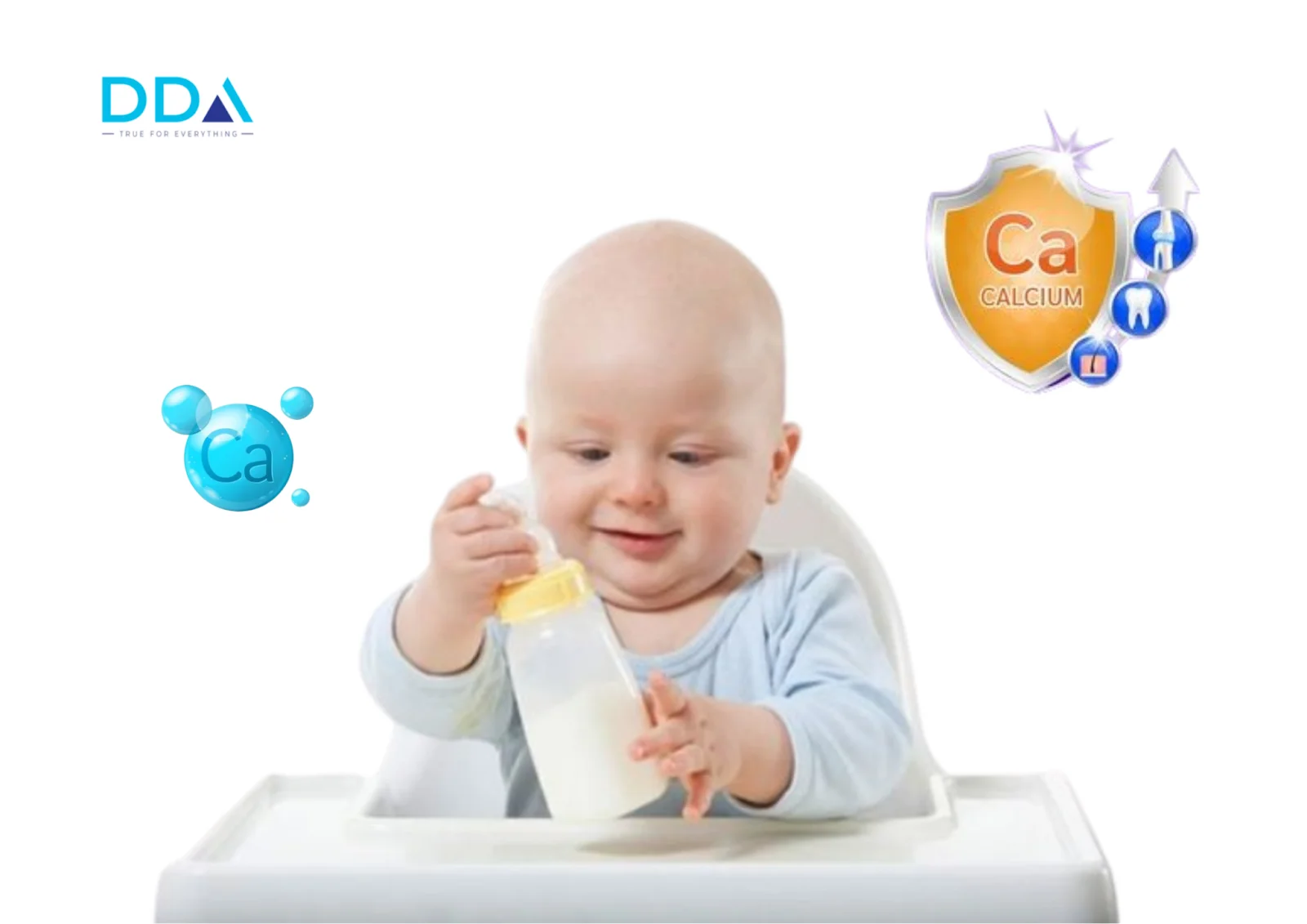 Image: Calcium plays an important role in the development of infants
Signs of Calcium Deficiency in Infants and Young Children
Calcium deficiency in infants and young children can manifest through various symptoms. Recognizing them early helps parents intervene promptly. Here are some common signs of calcium deficiency in children:
Frequently twisting body, restless sleep, easily startled during sleep
Frequent fussiness and crying
Hair loss in a ring-shaped pattern around the back of the head
Slow teething, weak teeth prone to cavities
Bow legs, spinal curvature
Digestive disorders
Uneven weight gain
Excessive sweating even when the weather is not hot
 Image: Fussiness in children can be one of the causes potentially due to calcium deficiency
Causes of Calcium Deficiency in Infants and Young Children
Newborns can only absorb calcium from breast milk or formula. Therefore, calcium deficiency in babies can stem from various reasons, including:
Lack of Sun Exposure: If the baby is not exposed to sufficient sunlight, it can lead to Vitamin D deficiency, reducing the body's ability to absorb calcium.
Mother's Diet: An inadequate maternal diet can lead to calcium deficiency in the breast milk supply.
Thyroid Gland Abnormalities: Some children may have thyroid issues causing calcium deficiency in the body.
Sequelae from Other Medical Issues: Maternal medical problems during pregnancy, such as gestational diabetes or preeclampsia, can also affect the baby's calcium development.
 Image: The mother's diet determines the calcium content for infants
How to Supplement Calcium for Infants
Natural Calcium Supplementation
For Breastfeeding Infants:
At different developmental stages, the body needs varying amounts of calcium. The most effective method to ensure an adequate calcium supply is through daily dietary intake from food.
Infants can only absorb calcium from breast milk or formula. Breast milk is the most abundant and easily absorbed source of calcium for infants. Therefore, mothers can increase calcium for their babies through breastfeeding.
 Image: Supplementing calcium with breast milk is an effective measure
To optimize the calcium content in breast milk, the mother's diet should include calcium-rich foods such as:
Milk and dairy products
Green leafy vegetables like spinach, bok choy, kale, etc.
Nuts, grains, and seafood.
These foods not only provide sufficient calcium but also help the mother maintain good health, ensuring the baby's comprehensive development.
For Infants Using Formula:
Formula is often fortified with calcium to ensure complete nutrition for the child. Mothers need to choose formulas rich in calcium and follow the guidelines for the appropriate amount of milk for the baby's age.
 Image: Supplementing calcium with formula helps children absorb calcium well
For Weaning Babies:
When the baby starts weaning, supplementing calcium through food is very important. Parents should add calcium-rich foods to the baby's diet, such as:Yogurt, cheese, tofu
Green leafy vegetables like spinach, kale
Chia seeds and salmon.
These foods are not only rich in calcium but also provide many other essential nutrients, supporting the baby's overall development.
 Image: Weaning children can supplement calcium through natural foods
Supplementation with Medication
If you are concerned about what medicine a calcium-deficient infant should take or which type of calcium is suitable for a 1-month-old baby, you should consult a doctor for the most accurate advice.
The recommended calcium dosage for infants is measured in milligrams (mg). Specifically:
Premature Babies: Premature infants have special calcium needs compared to full-term babies. For these cases, especially those with health problems or birth weight under 1.6kg, the risk of rickets is very high. Therefore, mothers should consult a pediatrician to supplement calcium and phosphorus, or use special medications for premature infants with appropriate dosage.
Full-Term Babies:
Babies under 6 months need 200 mg of calcium per day.
Babies from 6 to 11 months need 260 mg of calcium per day.
Children from 1 to 3 years old need 700 mg of calcium per day.
 Image: Supplementing calcium with medication helps children absorb calcium better
In conclusion, supplementing calcium for infants is very important to ensure their comprehensive physical and intellectual development. Although calcium can be supplemented through the daily diet, you should still pay attention to signs of deficiency and consult a doctor when necessary. Monitor and maintain a balanced, healthy diet to ensure your child is always healthy and develops well!
—---------------------------------------------------------
DDA VIETNAM INVESTMENT JOINT STOCK COMPANY
☎️ Hotline: 1800 9070 – 0983 746 986 – 0962 700 060
✉️ Email: [email protected]
📍 TikTok: @dda.vietnam
📍 Website: ddavietnam.vn
📍 Address: No. 8, Chien Thang Residential Group, Ha Dong Ward, Ha Noi City