
COMPARING THE 3 MOST POPULAR WEANING METHODS FOR CHILDREN TODAY
Understanding the advantages and disadvantages of each method will help mothers choose more easily for their children.
Many mothers share that the most difficult part when their child enters the weaning stage is choosing the right method. To do this, mothers often have to try different weaning styles for their child and then select the most suitable one. Below is a comparison of the pros and cons of popular current methods: Traditional Weaning, Japanese-Style Weaning, and Baby-Led Weaning (BLW).
Traditional Weaning Method
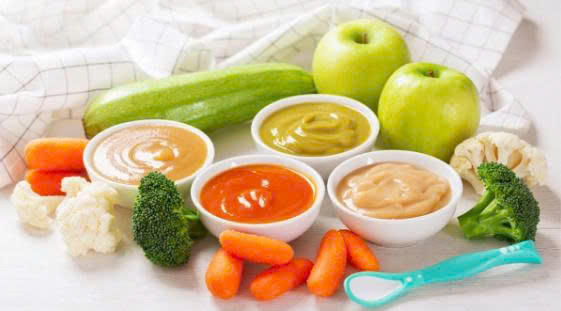
This is a long-standing method that most mothers are familiar with. Specifically, when the baby reaches weaning age, the mother cooks porridge or mixes different foods like bone broth, vegetables, tubers, meat, and fish, then purees them for the baby to eat.
Advantages: This style is used by most grandmothers because it is easy, simple, and helps the baby eat many dishes. The preparation time is quite fast, and the method is simple, so even busy mothers can easily do it for their children. Furthermore, pureed food helps with easy digestion, and babies gain weight quickly and become quite chubby.
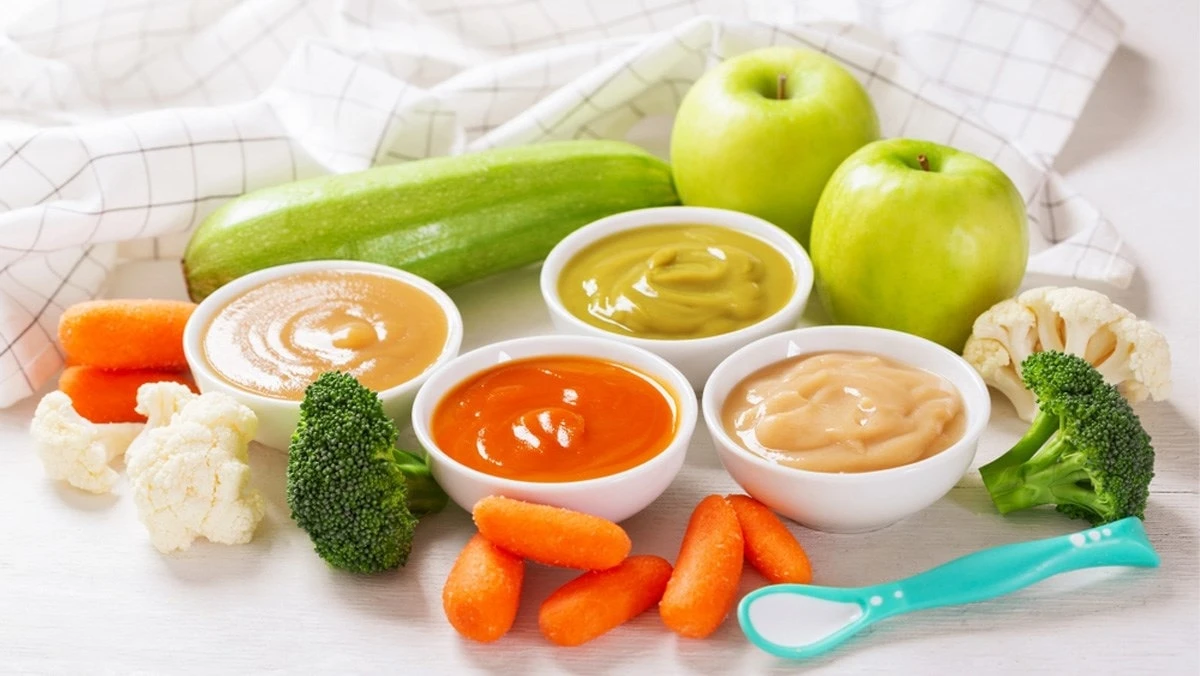
Disadvantages: However, the traditional method has many limitations because continuously eating pureed food reduces and delays the child's ability to eat textured foods. The baby won't have the chance to experience the distinct flavor of each type of food, making it hard for parents to identify any food allergies. Without creating enjoyment in eating, such as being stimulated by the colors of each dish, children can easily become bored with food, develop picky eating habits, or have slow chewing and swallowing reflexes in the next stage.
Japanese-Style Weaning Method
This weaning trend has emerged in the last few years and is gaining popularity among mothers in Vietnam. After the first 6 months of exclusive breastfeeding, babies start with strained, watery rice porridge. Later, the texture of the porridge is gradually increased according to the baby's developmental stage. Furthermore, each type of food is usually prepared separately, so the baby can explore different foods without them being mixed together, with a texture suitable based on the "yellow - red - green" criteria for different food groups (carbohydrates - vitamins - protein).
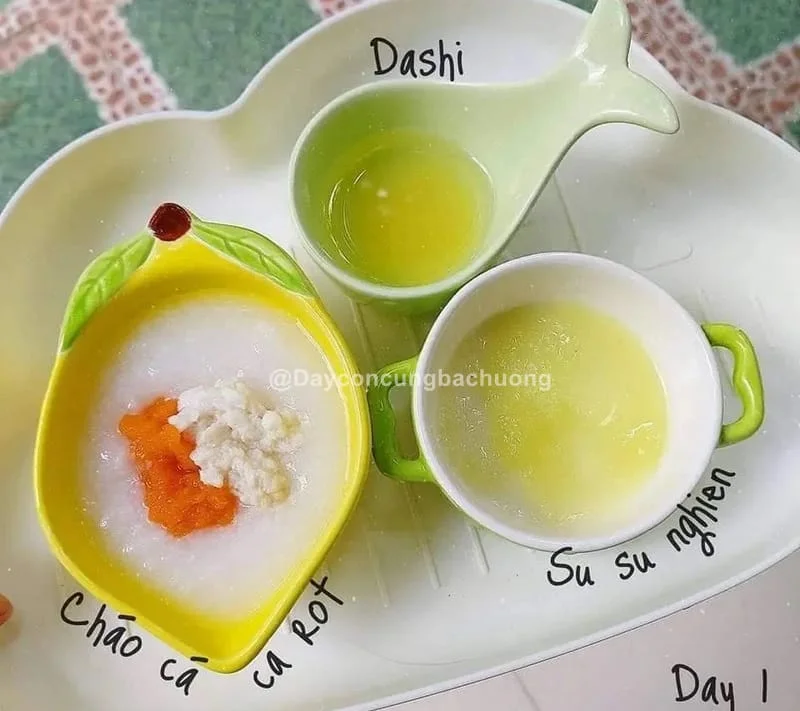
Advantages: This eating style helps babies recognize the flavor of each type of food and choose their favorite dishes. Simultaneously, the Japanese weaning method fosters the child's habit of focusing on eating and exploring food, and mothers also teach their children a high degree of independence.
Disadvantages: However, this method is not always supported by grandmothers because it is quite time-consuming, and mothers have a lot of cleaning up to do as children make a mess after each meal. Moreover, mothers need patience when training their children to sit still in one place and guiding them on how to hold a spoon.
Baby-Led Weaning (BLW) Method
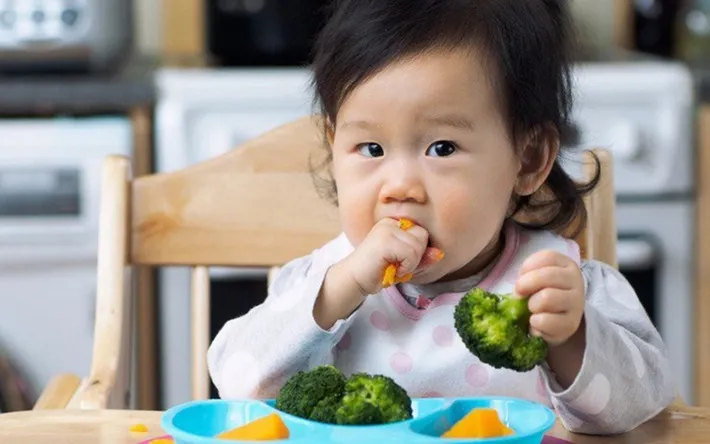
Instead of being spoon-fed, this method lets the baby choose and decide which foods they like. The parents' job is to select the food; the baby will choose how to eat, which foods to eat, and decide how much to eat as they please. The baby can eat with the whole family, self-feed textured foods like adults, put food in cups, bowls, or plates, eat with their hands... as long as they like it and eat more.
Advantages: This style suits young parents who value and emphasize respecting their children, completely avoiding excessive intervention in the child's meal. The child can freely explore, eat naturally, and control the food entering their body. Additionally, this method helps children develop skills, senses, and independence, reduces the risk of obesity, and enhances the child's enjoyment of eating.
Disadvantages: Mothers must monitor the process very carefully to avoid potential dangers the child might encounter. In many cases, the baby can choke on food, which is quite dangerous, requiring careful observation from parents.
With the methods above, mothers must spend time researching, learning, and letting the baby try to know which eating style suits their child. However, due to busy lives, working moms, and many other unnamed tasks, cooking for the baby can be somewhat limited. Therefore, the market currently offers many types of instant cereals with all the necessary nutrients and simple usage methods, which are very helpful for mothers.
One such product is HiPP Organic Cereal (with 17 diverse flavors, a smooth texture safe for the baby's digestive system in the early weaning stage, and Organic quality meeting EU standards) for the child to get accustomed to. Mothers can choose cereals based on age, taste, and nutritional components suitable for their children's age groups. Furthermore, mothers should also prioritize weaning cereals with Organic quality certified by reputable organizations.
No matter which weaning method is used, it should be based on the principle of "a healthy mother, a happy child"; without too much pressure, children can have delicious and quality meals. Hopefully, mothers will overcome this stage in the gentlest and happiest way!
---------------------------------------
DDA VIETNAM INVESTMENT JOINT STOCK COMPANY
☎️ Hotline: 1800 9070 – 0983 746 986 – 0962 700 060
✉️ Email: [email protected]
📍 TikTok: @dda.vietnam
📍 Website: ddavietnam.vn
📍 Address: No. 8, Chien Thang Residential Group, Ha Dong Ward, Hanoi City